

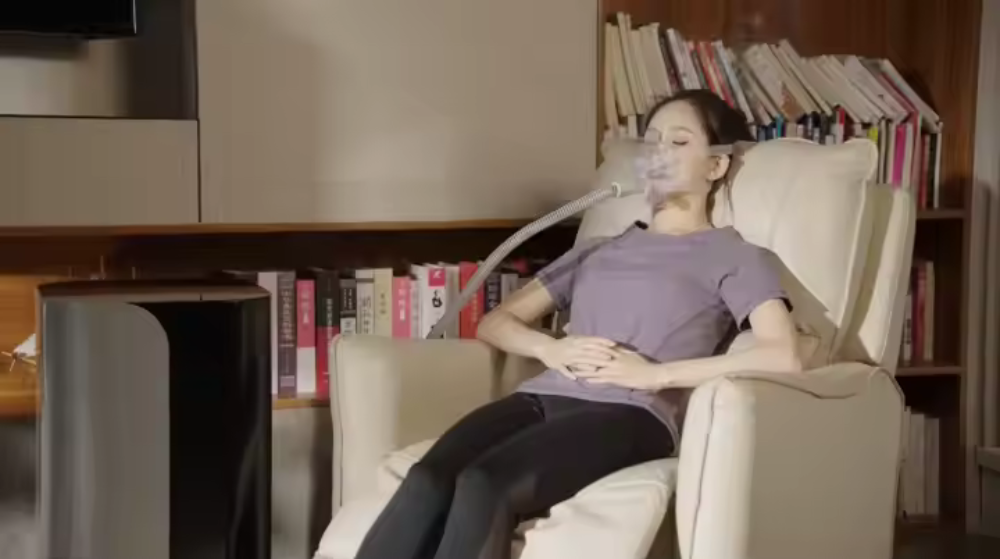
مقدمة
في السنوات الأخيرة، لفتت تقنية التدريب بالتبادل بين فرط التأكسج ونقص التأكسج (Intermittent Hypoxia-Hyperoxia Training - IHHT) انتباه الباحثين والممارسين الصحيين كوسيلة غير دوائية لتحسين وظائف الجسم، تعزيز اللياقة، ودعم التعافي لدى الرياضيين ومرضى الأمراض المزمنة على حد سواء.
تعتمد هذه التقنية على التناوب بين استنشاق هواء قليل الأوكسجين (hypoxia) وهواء غني بالأوكسجين (hyperoxia)، مما يحفز الجسم على التكيّف وتعزيز الأداء الخلوي والوظيفي.
آلية العمل
عندما يتعرض الجسم لنقص مؤقت في الأوكسجين (كما يحدث في المرتفعات)، يبدأ في سلسلة من التكيفات الفيزيولوجية مثل:
- زيادة إنتاج خلايا الدم الحمراء والهيموغلوبين
- تحسين كفاءة نقل الأوكسجين
- تحفيز الميتوكوندريا
- تعزيز الأوعية الدموية (Angiogenesis)
وعند تعويض ذلك بفرط الأوكسجين، يتم تحفيز عمليات مضادة للأكسدة وتعافي الخلايا، مما يخلق توازنًا إيجابيًا لصحة القلب والأوعية والجهاز العصبي.
الفوائد المثبتة علميًا
🔹 تحسين الأداء القلبي الوعائي
دراسة نُشرت في Journal of Sports Science & Medicine (2019) أظهرت أن المشاركين الذين خضعوا لـ IHHT لمدة 4 أسابيع سجّلوا تحسنًا في مؤشرات التحمل القلبي بنسبة 17.3% مقارنةً بالمجموعة الضابطة.
🔹 خفض ضغط الدم
في دراسة نُشرت بمجلة High Altitude Medicine & Biology، أدى IHHT إلى انخفاض في ضغط الدم الانقباضي بمعدل 10-14 ملم زئبق لدى مرضى ارتفاع ضغط الدم خلال 6 أسابيع فقط.
🔹 دعم مرضى داء السكري من النوع الثاني
دراسة ألمانية (Serebrovskaya et al., 2016) أثبتت أن جلسات IHHT أدت إلى تحسن في مقاومة الإنسولين وخفض مستويات HbA1c بنسبة 0.7% خلال 3 أشهر من العلاج.
🔹 تحسين الأداء الرياضي
العديد من الفرق الأولمبية والرياضيين المحترفين يستخدمون IHHT لتحسين الأداء الهوائي وزيادة القوة التحملية دون الحاجة للتدريب في المرتفعات.
🔹 تعزيز التمثيل الغذائي وخسارة الوزن
بحسب دراسة نُشرت في Frontiers in Physiology (2021)، ساهم IHHT في رفع معدل الأيض القاعدي وتحسين أكسدة الدهون، ما يجعله أداة مساعدة في برامج إنقاص الوزن.
الاستخدامات الطبية
- تحسين التعافي بعد السكتة الدماغية
- دعم مرضى الانسداد الرئوي المزمن (COPD)
- تقليل الإجهاد التأكسدي لدى كبار السن
- دعم الوظائف المعرفية والذاكرة
الأجهزة الطبية المتاحة
تتوفر الآن أجهزة محمولة للاستخدام المنزلي والمراكز الطبية تعتمد على بروتوكولات IHHT الذكية، مثل:
- Cube Edition: جهاز مدمج مصمم للاستخدام الفردي المنزلي
- Professional Edition: نظام احترافي متكامل للمراكز الطبية والرياضية
تتميز هذه الأجهزة بقدرتها على تتبع نسبة تشبع الأوكسجين (SpO₂) ومراقبة نبض القلب والارتفاع، مع إمكانية تخصيص البرامج العلاجية حسب الحاجة.
تحذيرات وموانع الاستخدام
- لا يُنصح باستخدام IHHT دون إشراف طبي لدى مرضى أمراض القلب الحادة أو الفشل التنفسي
- يُفضل إجراء فحص أولي لنسبة SpO₂ وضغط الدم قبل بدء الجلسات
- يجب تعديل مستويات الأوكسجين بعناية لتجنب الإجهاد التأكسدي أو نقص الأكسجة الخطير
الخلاصة
تقنية IHHT تمثل ثورة في عالم اللياقة والصحة الوقائية، حيث تجمع بين فوائد بيئة المرتفعات والغنى بالأوكسجين في جهاز واحد. ومع تزايد الدراسات التي تؤكد فعاليتها، أصبحت خيارًا مبتكرًا للرياضيين، ومرضى الأمراض المزمنة، والأشخاص الباحثين عن تحسين جودة حياتهم الصحية.
المصادر العلمية:
- Serebrovskaya, T.V., et al. (2016). Intermittent hypoxia-hyperoxia training improves glucose metabolism and blood pressure in patients with metabolic syndrome. High Altitude Medicine & Biology.
- Burtscher, M., et al. (2021). Intermittent Hypoxia Training: From Basic Mechanisms to Clinical Applications. Frontiers in Physiology.
- Haider, T., et al. (2019). Effects of Intermittent Hypoxia Training on Cardiorespiratory Fitness: A Meta-analysis. Journal of Sports Science & Medicine.
- Chacaroun, S., et al. (2021). Hypoxia and Metabolic Health: From Bench to Bedside. Journal of Applied Physiology.